
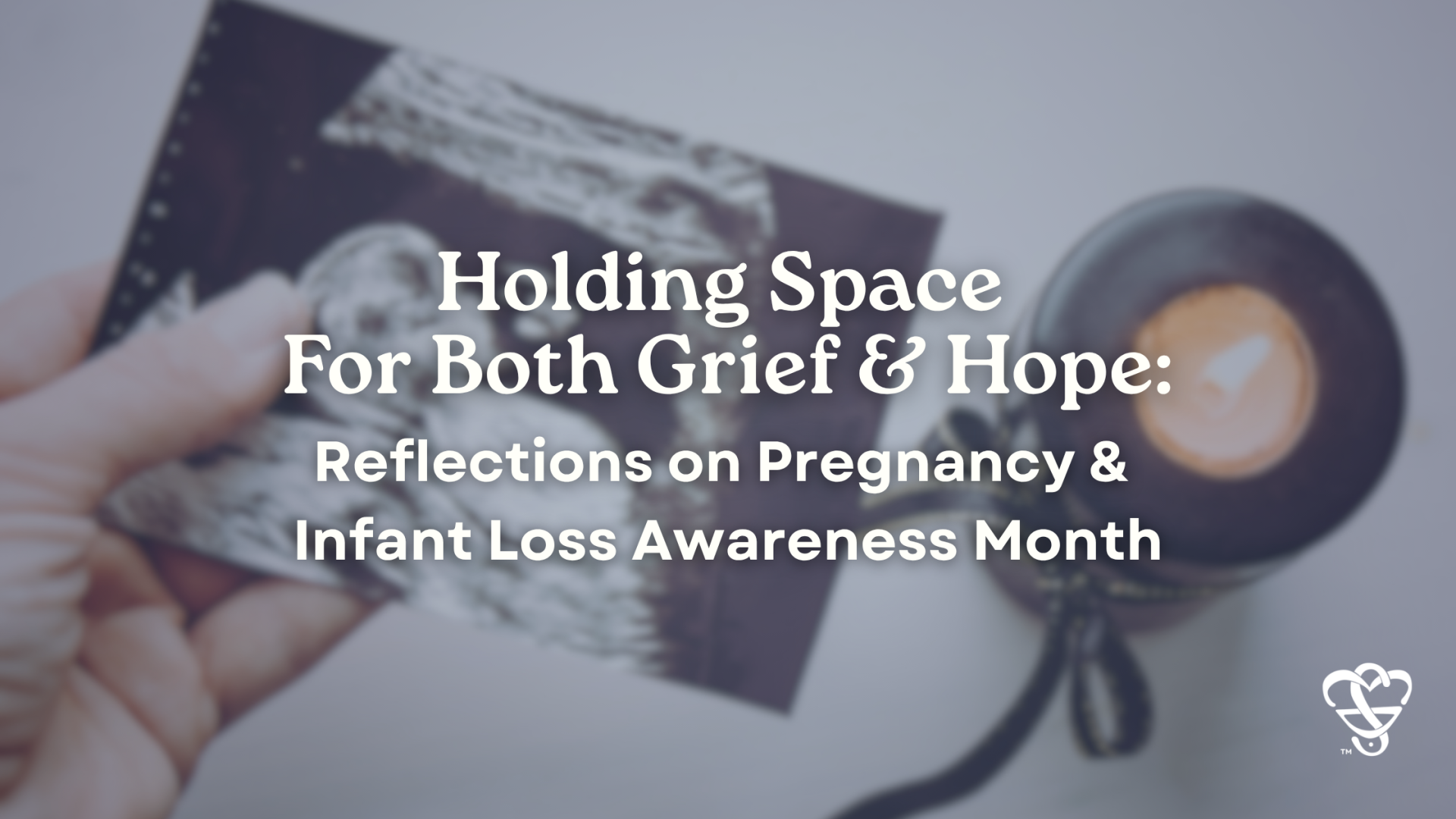
October is Pregnancy and Infant Loss Awareness Month, a time to honor the babies who are deeply loved and remembered, and to recognize the families who have experienced loss.
Pregnancy and infant loss can be incredibly difficult to talk about. For intended parents, surrogates, egg donors, and their families, the experience can bring emotions that are complicated, unexpected, and deeply personal.
There is no timeline for grief, and there is no single way to grieve.
Grief Can Look Different for Everyone
Pregnancy loss, miscarriage, stillbirth, or the loss of an infant can change a family forever.
Some people may want to talk about their experience. Others may need privacy. Some may find comfort in memories, traditions, or support groups, while others may need time before they are ready to share.
Whatever grief looks like, it deserves to be acknowledged.
It is okay to have difficult days. It is okay to feel sadness even when life begins to move forward. It is also okay to experience moments of happiness, hope, or excitement again. Feeling joy does not mean you have forgotten the baby you lost.
When Loss Happens During Surrogacy
Pregnancy loss during a surrogacy journey can be especially complicated.
A surrogate may be grieving the pregnancy while also navigating the emotions of the intended parents. Intended parents may be experiencing profound grief after investing so much hope into building their family.
Everyone involved may process the loss differently.
Compassion, communication, and professional emotional support can be incredibly important during this time. There does not need to be pressure to “move on” or find the right words. Sometimes simply acknowledging the loss and saying, “I am here for you,” is enough.
Supporting Someone Experiencing Loss
If someone you love has experienced pregnancy or infant loss, you may not know what to say.
You do not need to have the perfect words.
You can simply acknowledge what happened.
“I am thinking about you.”
“I remember your baby.”
“I am here if you want to talk.”
Small acts of support can mean a great deal. Checking in, listening without trying to fix the situation, helping with everyday responsibilities, or remembering important dates can help someone feel less alone.
There Can Be Hope Alongside Grief
Hope does not erase loss.
For some families, hope may eventually mean trying again, pursuing IVF, working with an egg donor or surrogate, or exploring another path to parenthood. For others, hope may simply mean finding a way to move forward while carrying the memory of the baby they lost.
There is no right next step.
Grief and hope can exist together.
You Do Not Have to Grieve Alone
Pregnancy and infant loss can feel isolating, but support is available. Connecting with a mental health professional, support group, trusted friend, family member, or someone who has experienced a similar loss can provide a safe place to process complicated emotions.
This Pregnancy and Infant Loss Awareness Month, we remember the babies who were loved, the families who continue to carry their memories, and everyone whose journey to parenthood has included loss.
There is space for grief. There is space for hope. And there is space for both.
If You or Someone You Love Is Experiencing Loss
Be gentle with yourself. Give yourself permission to grieve in your own way and at your own pace.
If you are navigating fertility treatment, egg donation, surrogacy, or pregnancy after loss, remember that emotional support is an important part of the journey too.
You are not alone.