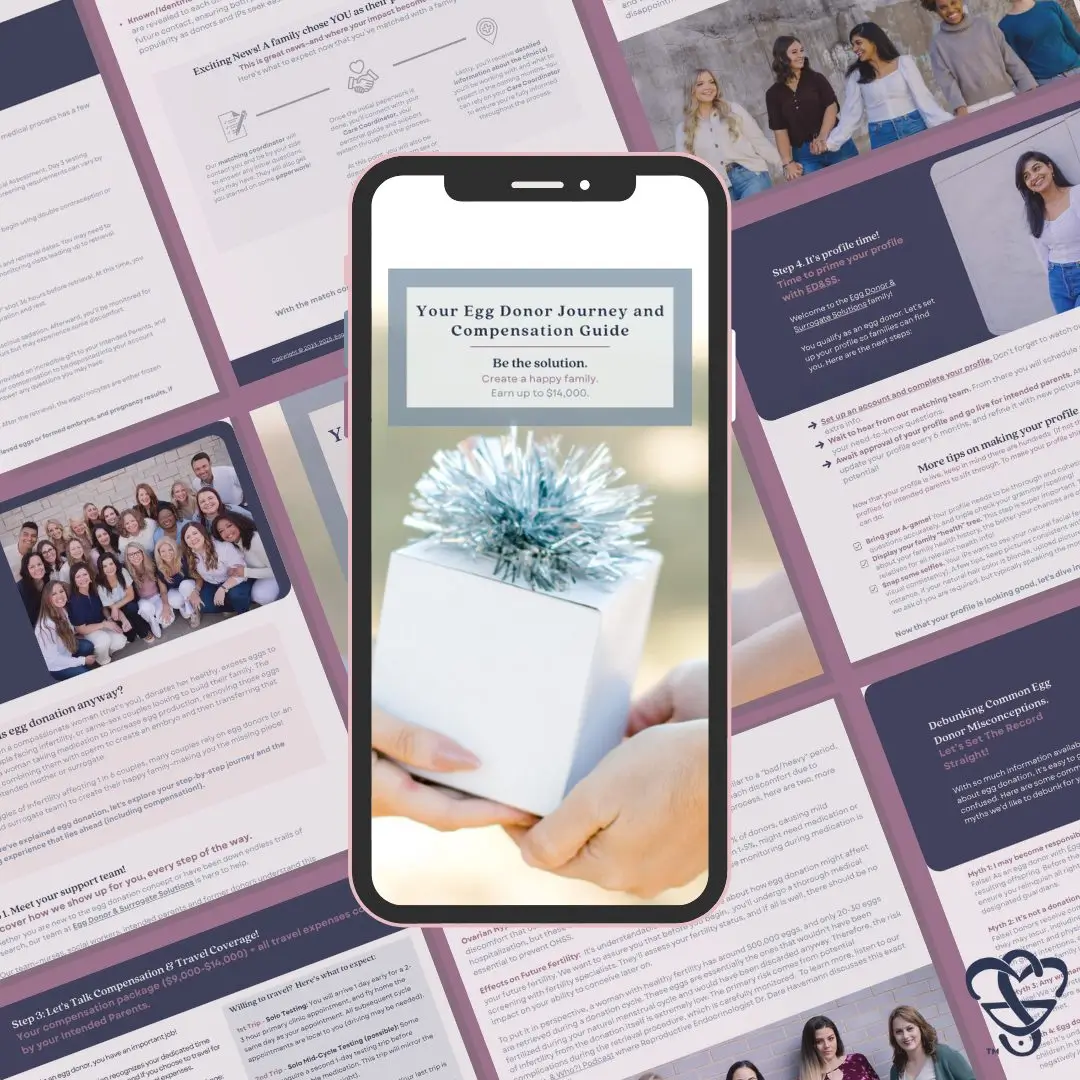

Become an Egg Donor and Give the Gift of Family
Your choice can make parenthood possible for someone who’s been waiting for hope. We’ll guide you through a safe, transparent process that honors your time, your health, and your impact.
A LIFE-CHANGING OPPORTUNITY
Egg donation is an extraordinary act of generosity. This isn’t just a process; it’s a trusted partnership between you and our agency. Our team provides the medical, emotional, and logistical support you need to feel confident in your decision.
UNDERSTANDING THE PROCESS
What Is Egg Donation?
Egg donation is a process where a healthy woman chooses to share her eggs to help someone else grow their family. The donor takes prescribed medications to safely produce multiple eggs, which are then retrieved by a fertility specialist. Those eggs are combined with sperm to create embryos, which can be transferred to an intended parent or a gestational surrogate.
Many families turn to egg donation for different reasons: infertility, medical challenges, or same-sex family building. Whatever their story, Egg Donors make parenthood possible through one of the most generous gifts imaginable.
Our goal is to make the experience rewarding for Egg Donors – emotionally, financially, and personally.
ELIGIBILITY
Can You Become a Donor?
All of our Egg Donors are women who are healthy, compassionate, and committed to helping others.
Are you a female in the US between the ages of 21-28 and generally healthy?
Do you have regular monthly periods?
Do you have a BMI between 21-28?
Do you have a flexible schedule to attend morning doctor appointments and comfortable missing work or school?
Do you have reliable childcare for these appointments?
Are you a college graduate or pursuing a higher education beyond high school?
Do you have knowledge of the physical characteristics and health history of family members?
HOW IT WORKS
How Do I Become an Egg Donor?
Becoming an Egg Donor begins with learning, screening, and connection, all designed to protect your health and make the experience rewarding.

STEP 1
Complete Application & Phone Consult
The application takes about 45 minutes to complete, but you can save and return anytime. Providing detailed information and strong photos will improve your chances of being matched. You’ll then schedule a phone consult to meet our team.
STEP 2
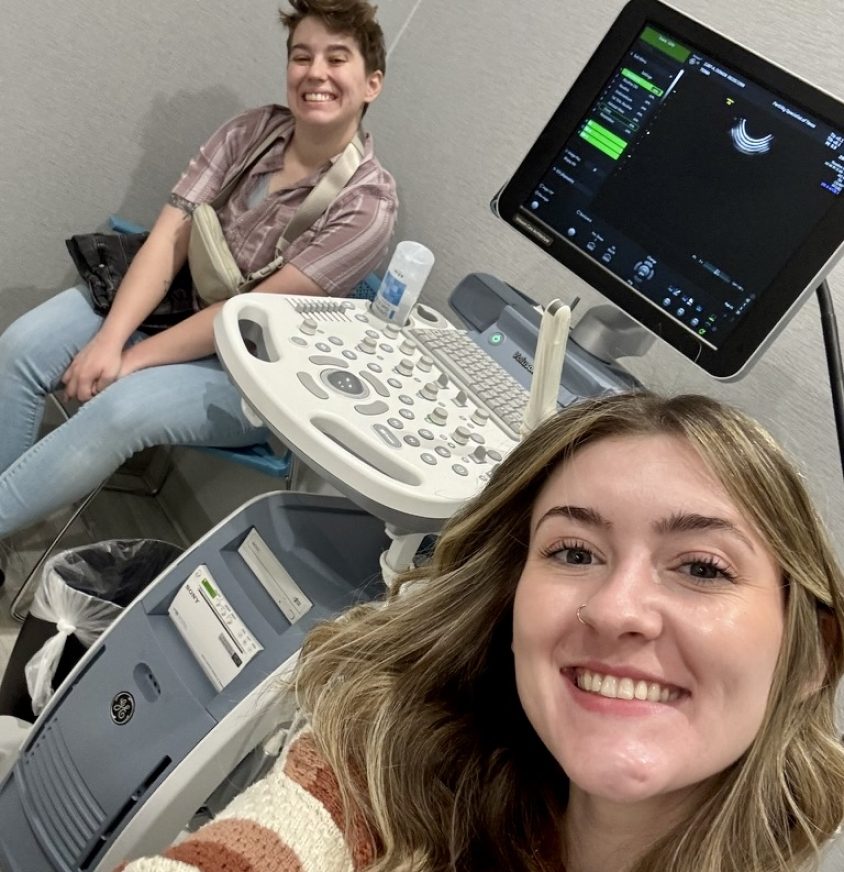
Matching and Screening
After matching you with intended parents who are the right fit, we’ll guide you through medical and psychological screening.
STEP 3
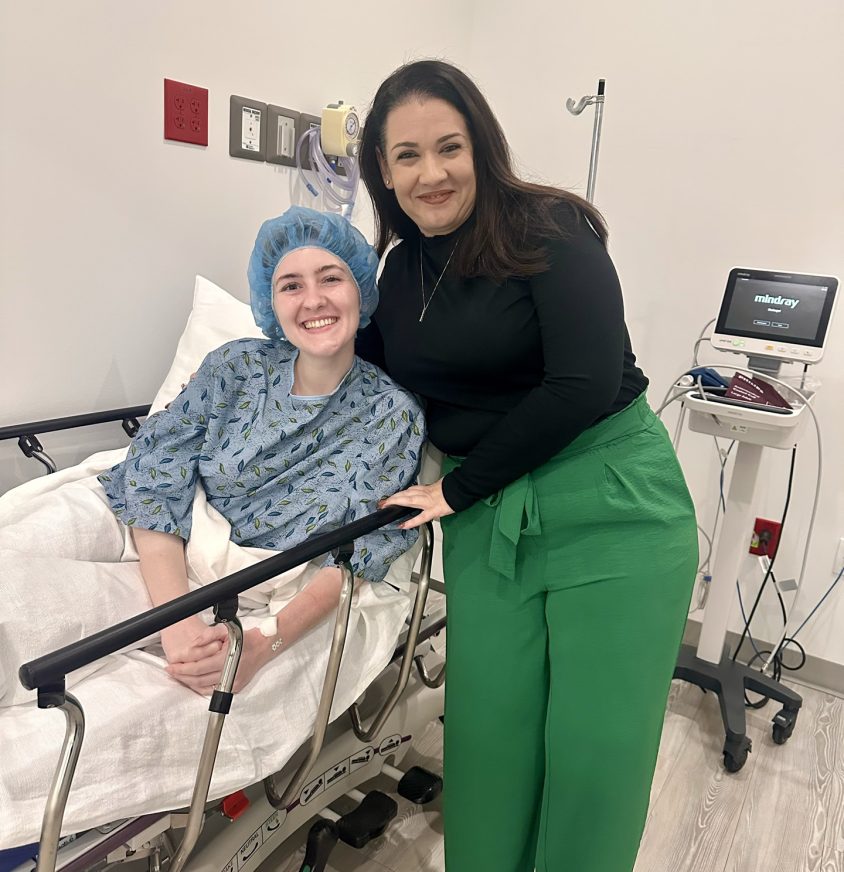
Donation Cycle and Retrieval
We’ll help coordinate all logistics, travel (if applicable), and medical appointments to ensure your comfort throughout the process
WHAT YOU CAN EXPECT AS A DONOR
Your Journey At A Glance
Every Egg Donor’s journey is unique, but here’s what you can expect over a typical 3-4 month process with our team guiding you every step of the way.
MONTH 1
Matching & Initial Screening
Once your matched with a family, the cycle begins. Together, we’ll complete your paperwork and early lab work.
You’ll complete:
- An AMH blood draw and genetic consultation
- Day 3 blood work during your menstrual cycle (a key baseline for testing)
Our coordinators stay in touch to help with scheduling and answer questions.
MONTH 2
Medical & Psych Evaluation
You’ll meet with licensed professionals to ensure everything is in place for a safe and positive experience.
- Psychological evaluation (done locally or during initial screening)
- Medical screening with a fertility specialist (travel, if needed, is a one-day trip with expenses covered)
Once results are reviewed, you’ll receive full medical and psychological clearance.
MONTH 3
Legal & Cycle Preparation
With clearance complete, we’ll help finalize your contracts and prepare for your cycle.
- You will be represented by an attorney (at no cost to you) to complete contracts with the family to protect you as an egg donor.
- Begin birth control and abstain from sexual intercourse
- Receive a personalized cycle calendar with upcoming appointments and medications
- Complete baseline ultrasound and additional blood work, usually in one appointment.
MONTH 4
Medication, Monitoring, and Retrieval
You’ll begin your active cycle and complete your retrieval.
- Start medications. Daily hormone injections for 10–21 days. We’ll teach you how, and a friend or family member can help if you’d like.
- Learn more about required medications here.
- Attend 6-10 morning appointments. All are typically before 9am and are non-negotiable.
- If travel is required, stay near the clinic for 7-10 days with an adult companion
- Egg retrieval day: an early-morning procedure. You’ll need a ride to and from the clinic and a full day of rest (no work, school, or childcare).
- Compensation is sent after the procedure, usually by direct deposit.
After retrieval, you’ll return home, typically after 24 hours to rest, recover.
During this busy time, you’ll need to ensure you’re planning well around work, school, or childcare to complete your cycle.

COMPENSATION
Honoring the Gift You’ve Given
At Egg Donor & Surrogate Solutions, egg donors receive $9,000 – $14,000 for their time and commitment to the donation process, depending on Egg Donor experience. This payment is made after the egg retrieval and the return of any unused medications.
It is always important to note you are being compensated for your time (away from work, family, school), effort, medical risk, and inconvenience. You are not compensated for your eggs or the number of eggs retrieved.
WE’VE GOT YOU COVERED
Your Safety and Support Come First
From your first call to your final appointment, our experienced team — made up of former Egg Donors, Surrogates, Nurses, and Coordinators — is here to guide and care for you every step of the way. We handle logistics, travel, and clinic communication so you can stay focused on what matters most: your wellbeing.
Like any medical procedure, egg donation can come with mild, short-term side effects such as bloating, mood changes, or minor discomfort. Our medical partners monitor each stage closely to ensure you remain safe, informed, and fully supported throughout your journey.
You focus on your health. We’ll take care of the rest.
REAL PEOPLE, REAL STORIES
Natalie M.
From the moment I applied through the “4th trimester”, the entire team at ED & SS has been so helpful, inspiring, and motivating. I would recommend ED & SS to anyone who is considering being a surrogate.
Jayma M.
Working with Egg Donor & Surrogate Solutions was one of the best decisions we ever made. We had the privilege of partnering with them for two surrogacy experiences, and thanks to their incredible team, we now have two beautiful children
Anonymous
Being an egg donor with Egg Donor & Surrogate Solutions turned out to be one of the best decisions I’ve ever made. Everyone I dealt with was kind, informative, and they were there for all of my needs. The whole process was explained thoroughly, and it all moved along smoothly. I would highly recommend using this agency. I am so lucky to have been able to be part of their program.
Aly G.
(Egg Donor & Surrogate Solutions) were with me every step of the way, and all their team is incredibly knowledgeable and friendly, and they truly care about you and helping create the happy family you’re dreaming of.
Alex S.
One thing this agency did that really stands out is their matching process. They matched us with a surrogate that shared the same sense of humor, beliefs, and she will be a friend to our family for life. We have two beautiful kids thanks to Surrogate Solutions, and we cannot thank them enough!
FAQS
You Might Be Wondering
Who can be an Egg Donor?
An Egg Donor is a responsible, healthy, non-smoking woman between the ages of 21 and 28, of any ethnic and religious background, who is willing to donate her eggs to help someone else build their family.
Why do other individuals and couples need donated eggs?
Women who cannot produce or use their own eggs need donated eggs. Below are some of the reasons why:
- She has premature menopause
- She is a carrier of a genetic disease and does not want to pass it to her offspring
- She has gone through hormonal stimulation, and it did not generate a positive ovarian reserve
- She has had a hysterectomy or partial hysterectomy
- She has previous sterility problems as a result of cancer
Same-sex male couples and single men do not produce eggs, so they require both an Egg Donor and a Surrogate to have a biological child.
Please note: These are just a few of the many reasons an egg donor may be necessary.
Does egg donation affect my fertility or chance of having children in the future?
Are you worried about having your own kids one day? There are no long-term studies that link donating your eggs to infertility. Each woman is born with 1-2 million eggs. Every month, on her monthly cycle, multiple eggs are released with only one or two eggs being considered mature. The egg donation procedure is only using the number of eggs the body would normally release in a month. The stimulation treatment given during the egg donation process is assisting to mature as many of the donor’s eggs as possible. All Egg Donors who work with Egg Donor & Surrogate Solutions work with extremely qualified physicians who will take every step to ensure her health and safety.
Please note: If at any point during the screening or testing process, the medical professionals have a concern with your personal fertility, you will not be cleared to donate your eggs.
Will I incur any healthcare expenses?
Being an Egg Donor does require you to have a clear pap and STI screening within the past year. All other healthcare costs are financed by the intended parents. Once approved to donate, you will also be given an expense account to cover various costs such as contraception (birth control), pap smear, and all local travel which is within 25 miles, one-way, of where you live.
What will be the compensation and when will I receive it?
Most Egg Donors will be paid $9,000 -$12,000 for their time. An Egg Donor can donate up to 6 times, so on average, she could be compensated around $63,000 for helping 6 families. Your compensation is direct deposited to your account via Escrow once the retrieval is completed, all medications have been returned to the clinic, and all travel receipts are finalized. Most Egg Donors receive their compensation within 3-5 business days although please allow for up 10 business days.
99% of all first time Egg Donors receive $9,000 for their 1st cycle. Most choose to increase their compensation between $500-$1,000 with each additional cycle. It is always important to note you are being compensated for your time (away from work, family, school), effort, medical risk, and inconvenience. You are NOT compensated for your eggs or the number of eggs retrieved.
What is the commitment for an average Egg Donation Cycle?
Each cycle looks different as each physician we work with has their own protocols. However, on average you could expect your schedule to look something like this calendar. The commitment is 3-6 months with the bulk of that time the last 10-21 days. Your care coordinator will be sure you understand when and where your appointments are in advance so you can plan accordingly. You can choose to donate locally or be available to travel.
Will I have to be late or miss school or work?
Most likely, yes. Being an Egg Donor really does take very little time leading up to the retrieval, but the time needed often falls during regular business hours. You will have four to eight appointments (usually in the morning) in addition to the actual egg retrieval. This does sometimes fall on Saturdays and Sundays, but when committing to be an Egg Donor you want to be able to have some time off or a flexible schedule. If more time is needed, we can provide a “doctor’s note” for whoever is concerned.
Please note: At some point in this process, you will be inconvenienced. You will have to find childcare, rearrange your schedule (in advance and sometimes at the last minute), miss an important work event, etc.
What if I’m on birth control?
Potential Egg Donors may continue to use their choice of birth control while waiting to be matched with an intended parent.
- Women who have the implant or received a Depo Provera shot will likely need to wait 6 months before donating.
- Those who have an IUD that produces hormones will likely need to have it removed (Example: Mirena, Kyleena, Liletta, Skyla). They might even need to wait for a few months in order to start the screening & testing process.
- Those who use an IUD that does not produce hormones (Examples: Copper IUD such as Paragard, Nuva Ring), may donate without removing it.
- The decision around Birth Control will be made by the medical clinic once matched with a recipient. The contraception method is up to you and your doctor. However, in order to be available to be matched quickly, we suggest being on a 28-day contraception pill. Click here to read more about what most clinics we work with require in terms of birth control.
Can someone donate after having a tubal ligation (tubes tied)?
Yes, the egg is removed from the donor’s ovaries, so this is not an issue.
How many times can I donate with Egg Donor & Surrogate Solutions?
Our standards are set by ASRM and their guidelines. Therefore, six egg donation cycles is the most you can donate in your lifetime.
Can the Intended Parent(s) or donor-conceived child ever discover who I am?
The short answer is yes. In an Unidentified Cycle, Egg Donor & Surrogate Solutions will never release your personal information. However, through DNA testing, technical advances, and facial recognition, we feel it is possible for someone to discover you. For more on this topic, please read the next 5 questions.
Why Does Egg Donor & Surrogate Solutions use the word “Unidentified”?
Many agencies, clinics, and egg banks will frequently use the word “anonymous” when discussing their Egg Donor program. We will not. Unidentified simply means we will not be releasing anyone’s personal information. With new DNA testing, technical advances, and facial recognition, we cannot guarantee your anonymity and consequently feel we have an obligation to inform you of the opposite. In new research, 78% of donor-conceived children found their donor via DNA testing. We believe that percentage will only increase as the popularity of these kinds of tests increases.
To learn more about the different types of egg donation cycles we facilitate, watch this short video.
What does it mean to complete a cycle with ID Release?
An unidentified cycle with “ID Release” designation requires an Egg Donor to be willing to share their name, basic contact information, and updated medical history, if requested, to a donor-conceived child at the age of 18. The request for ID Release will be outlined in your Egg Donor Agency Agreement.
*Please note as of January 2025, if you are completing an egg donor cycle where the primary clinic is located in the state of Colorado, there will be mandatory ID Release for that cycle. Click here to review Colorado’s Egg Donor Education documents.
What makes a cycle Identified/Known versus Unidentified?
In an Identified/Known Cycle, Egg Donor & Surrogate Solutions will release the intended parent’s and the Egg Donor’s full legal names after the Donor Preliminary Medical Screening as well as complete a joint session with a licensed mental health professional via an online platform. Upon a live birth, agreed-upon contact information will be released to each party, the donor’s DOB will be released, and all parties will be encouraged to sign up for DCPData, the Donor Sibling Registry, or a similar program.
In an Unidentified Cycle, Egg Donor & Surrogate Solutions will not release contact information, but DCPData, the Donor Sibling Registry, or a similar program is still required to be included as an acceptable form of communication in your contract.
To learn more about the different types of egg donation cycles we facilitate, watch this short video.
What are DCPData and the Donor Sibling Registry?
DCPData and the Donor Sibling Registry are 3rd party websites that will allow you to communicate with the intended parents and possibly a donor-conceived child through a username or your first name. This will allow intended parents and/or a donor-conceived child to have accurate medical information and have contact in the future if all parties agree. With this system, you have full control of your personal identity and how you will or will not handle future contact. You will not be asked to sign up now, but it may be requested in the future. Right now, you simply need to be open to signing up when the time comes.
Why does Egg Donor & Surrogate Solutions require openness around DCPData, the Donor Sibling Registry, or a similar program?
As opposed to Intended Parents or a future donor-conceived child reaching out to you through DNA sites, social media sites, or where you live, we want you to have safe and secure way to communicate if desired. Therefore, we recommend using DCPData, the Donor Sibling Registry, or a similar program. Without one of these programs being written into the direct donor agreement, future contact could be stressful or chaotic.
What are the medical risks or complications associated with egg donation?
Side Effects from Stimulation Medications
- Some Egg Donors experience cramping, bloating, and discomfort during the ovarian stimulation which is similar to symptoms of their monthly period. Some may also experience nausea, head-aches, and fatigue due to the increased hormones.
Major Risks of Egg Donation:
- The major risk to egg donation is ovarian hyperstimulation or OHSS. This is where a woman’s body experiences more discomfort than other donors due to enlarged ovaries and fluid buildup in the abdominal cavity. 10-20% of Egg Donors can face mild OHSS symptoms that does not require further treatment. These symptoms may include tiredness, bloating, cramping, nausea and pain/discomfort. These symptoms can be managed with additional fluids, pain medications, and rest.
- Only 1-5% experience moderate to severe OHSS which would require follow up care in most cases by a physician. Examples of this care may include, additional IV fluids, aspiration of the ovaries, pain medications and in extremely rare circumstances hospitalization for additional observation. In the event of any of these complications, all care will be covered by insurance purchased (by the intended parents) prior to the start of the process.
Side Effects from the Retrieval Procedure:
- The risk of serious complications is 1 in 1,000 and is similar to that of any medical procedure– internal bleeding, blood transfusion, organ infection, and also the general risks associated with anesthesia.
After the procedure, we are diligent about our follow up to ensure you are properly taken care of. Egg Donor & Surrogate Solutions will refer you to a fertility specialist for additional care after the procedure if needed. Furthermore, the recipient family will purchase an insurance policy for each Egg Donor to cover any major complications that may occur after the donation process.
Click here to learn more about the risks and side effects to egg donation.
What does taking fertility medication involve?
All medications required by an Egg Donor are administered by self-injection directed by a health care professional. You will be required to administer your injections daily for 14-21 days to prepare your body for the egg retrieval process. Most clinics will also require 1-2 month of oral birth control pills prior to stimulation medications.
How many eggs does the common egg donor produce?
Most Egg Donors produce an average of 13-24 eggs. This number depends on the donor and how her body responds to the medications. As few as 5, or as many as 35 or more eggs can be produced in each cycle.
Will I experience a lot of pain or blood loss after the egg retrieval?
Some Egg Donors experience light spotting, while others experience discomfort similar to menstrual cramps immediately after the egg retrieval process. These symptoms typically subside after a few days. In spite of the discomfort, most Egg Donors resume their regular activities very quickly. If an uncommon situation occurs, there are wonderfully qualified physicians that will be able to help.
How long does it take to recover after an egg retrieval?
We suggest all Egg Donors fully rest on the day of retrieval and relinquish themselves from all responsibilities (work, school, childcare, etc). Although most donors go back to work, school, or family following retrieval day, we encourage Egg Donors to take 1-2 more days off to rest and hydrate, if possible. We ask all Egg Donors to refrain from sexual intercourse and heavy exercise until your 1st period post-retrieval (7-14 days).
What does my support system need to look like?
At Egg Donor & Surrogate Solutions, we find a strong support system is key to a successful cycle.
We require:
- All Egg Donors must have at least 1-2 people that are aware of their donation and support their donation. We find doing this process alone is extremely difficult.
- All Egg Donors must have a companion for the retrieval process.
- If traveling, the companion must be present for a minimum of 3 days and MUST fly home with the Egg Donor after the procedure.